
















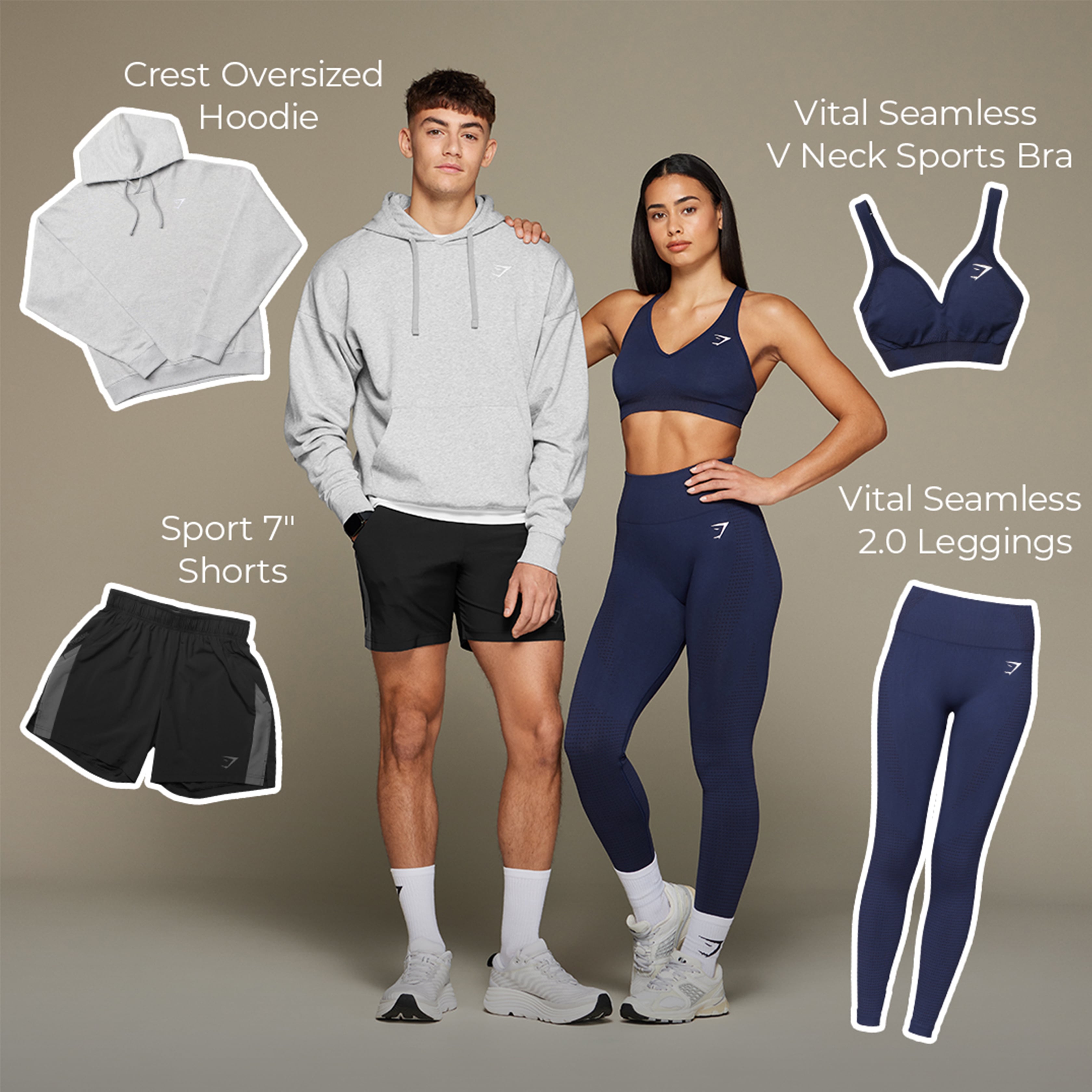
So you’re heading to the gym - maybe for the first time, or perhaps your workout wardrobe is due for a much-needed upgrade. What do you buy? Knowing what to wear to the gym can make all the difference in how you feel and perform.
The right gym outfit isn’t just about looking good (although let’s be honest, that’s a bonus); it’s about comfort, versatility and functionality.
You want the right gear to smash your strength training session, sweat through a cardio workout, or flow through yoga; so here we have the ultimate guide on what to wear to the gym, from the right leggings to warm-up essentials, and even the best underwear for working out in.
The first question to ask is...
What Type Of Exercise Are You Doing?
Not all gym clothes will work for every outfit. To find the right gym outfit, think about your training style and the exercises you do most regularly. This will inform what you buy, ensuring you get the most wear from your workout clothes and have clothes tailored for your comfort and performance.
What To Wear For Each Workout
Strength Training
For strength training (resistance training or weight training), squat-proof bottoms are a priority, and thicker, dark colours reduce sheerness during squat and hinge movements. Weightlifting clothes should offer support and stability with tighter fits and more durable materials to handle heavy lifting movements without being restrictive around the joints. Seamless designs prevent chafing and provide flexibility for unrestricted movement, while fitted clothes reduce the distraction of loose hanging fabric. Always look for supportive and adjustable waistbands to prevent constant readjusting during your workouts.
What to look for:
Squat-proof leggings or shorts
Supportive, durable materials that last
Sweat-wicking & seamless designs for comfort
Darker colors for opaqueness
Lightly compressive stay-put waistband
Cardio
Gym clothes for cardio workouts should be lightweight, breathable and sweat-wicking. Whether it’s a killer stairmaster session, skipping workout or treadmill sprint, opting for clothing that helps regulate your temperature and keep you dry will make a whole lot of difference to your comfort, stamina and performance. Looser-fitting tops and sweat-wicking leggings or shorts can be more comfortable than form-fitting clothes for cardio and tend to keep you a lot cooler. Don’t forget to make sure the waistbands fit so that they don’t roll down - look for adjustable waistbands or wide high-rise waistbands to do the job.
What to look for:
Light-weight, breathable designs
Sweat-wicking tech to keep you cool and dry
Darker colors that won’t show sweat patches
Loose-fitting tops for airflow
High-waisted or adjustable waistbands that don’t roll down
Yoga and Pilates
Whether you’re rolling out the mat at home or heading to the studio for Pilates, yoga, or stretching sessions - soft, breathable and stretchy fabrics are your best friend. Yoga clothes should be fitted but slightly looser, with less compression than weightlifting clothes. They’ll stay in place without being too tight, and softer stretchier fabrics will allow for deep stretches and full range of motion. Seamless options and wide waistbands on leggings can provide extra comfort for your flow, and lower-support sports bras also work well for these low-intensity (not always) workouts.
What to look for:
Buttery-soft fabrics
Wide waistbands for comfort
Minimal seams
Lightweight and stretchy designs
Regular fit tops that aren’t too tight
Hybrid Training
If you mix things up - strength, cardio, and mobility, then your clothes for the gym should prioritize versatility. Sweat-wicking technology is ideal if you’re jumping from station to station to keep you dry and cool. Think shorts that have the right length and fit for you to do it all in, multi-purpose leggings, breathable tops and trainers that offer support for multiple movements. Layering is also key here, as your workout can vary in intensity.
What to look for:
Leggings that aren’t too thin or thick
Sweat-wicking and breathable
Lightweight performance layers
Multi-purpose garments like 2-in-1 shorts
Gym Essentials and When To Wear Them
If you're new to the gym, figuring out what to wear, and when, can be a bit tricky. Maybe you’ve worn an outfit that left you overheating mid-workout or found your shorts feeling uncomfortably tight for the type of activity. To help you avoid any gymwear mishaps, here’s a simple guide to essential workout staples and the best times to wear them.
Sweat-Wicking Tops
There’s nothing worse than feeling damp and cold from sweat, so choose a moisture-wicking top to keep you cooler for longer, dry and confident as you move.
Sweat-wicking tanks and vest tops are ideal for sweaty cardio sessions and staying cool. Designs that feature a racerback or drop arm style are popular as they allow your arms to move easily and push, pull and lift in all directions.
For t-shirts, if muscle definition is your thing, choose a fitted top, they’re a great piece for weightlifting and prevent excess fabric from getting in the way as you move. They make an ideal layering piece too.
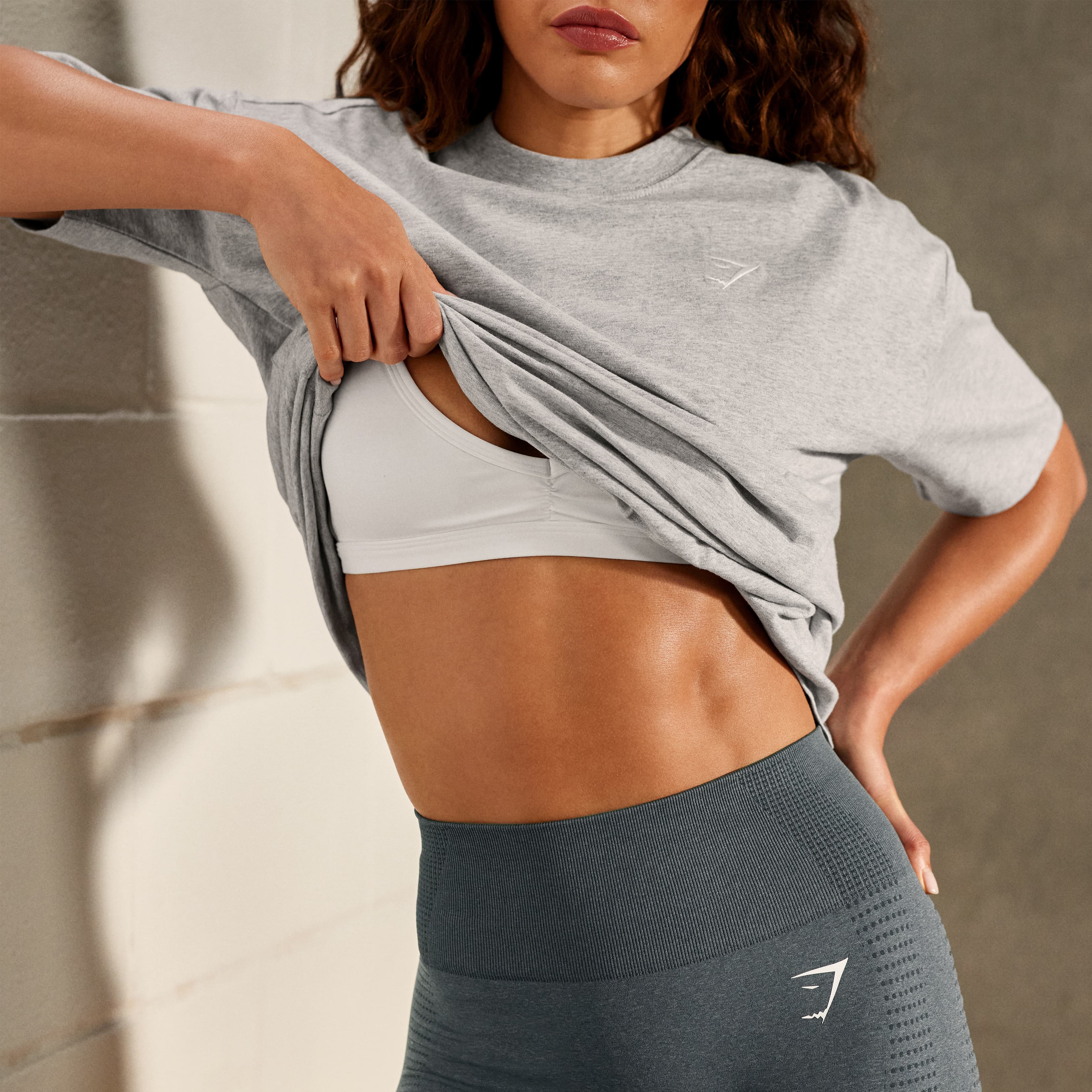
Crop tops are a great option for those who like a shorter fit on top, especially when paired with high-rise leggings, while oversized t-shirts are a go-to for a comfy and relaxed gym ensemble. Perfect for those who prefer the extra coverage for a boost of confidence, or prefer a looser fit.
Then we have long sleeve tops; which are a comfortable option for those who like to cover their arms, for warm-ups and layering in winter. You could also wear a 1/4 zip-top, a great piece of running gear and baselayer for colder-gym environments.
Breathable Bottoms
Once you’ve selected a comfortable, sweat-wicking top of choice, it’s time to choose a pair of breathable bottoms made from performance fabrics to complete the gym outfit.
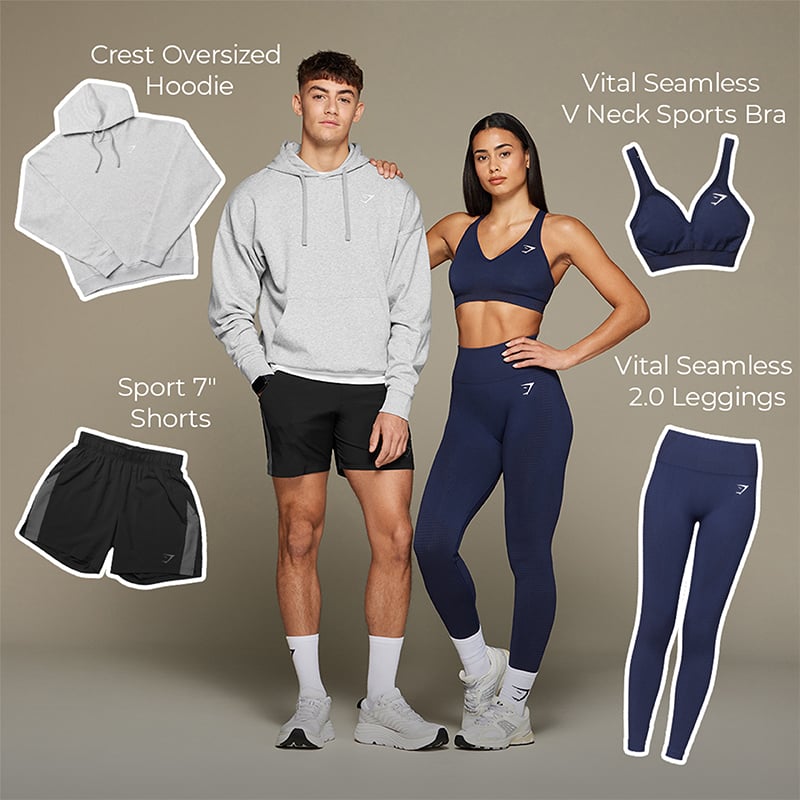
Now breathable bottoms can come in a few forms; for women, high-waisted leggings are the ultimate gym staple for comfort, support, and squat-proof coverage. Choose the leggings right for your workout by following our above tips on what to look for to guide you to pick the right pair.
When it comes to shorts, tight shorts are another popular choice for women, offering a second-skin feel for unrestricted movement. Available in biker short lengths, and a range of 4-7” inseam options, there’s something for whatever length you feel comfortable with. The tight fit can help you monitor your form and reduce chafing, making them a great option for leg day.
A unisex style of breathable bottoms is a pair of loose-fit shorts, which are a solid choice for casual gym-goers, running and functional training. They’re ideal for those who don’t like tight-fitting clothes and prefer more airflow. The best inseam length for men’s shorts is typically 5-7 inches depending on your preference.
If you prefer loose shorts but need chafing prevention, we have 2-in-1 shorts that offer the best of both worlds with sweat-wicking tech to keep you cool and dry.
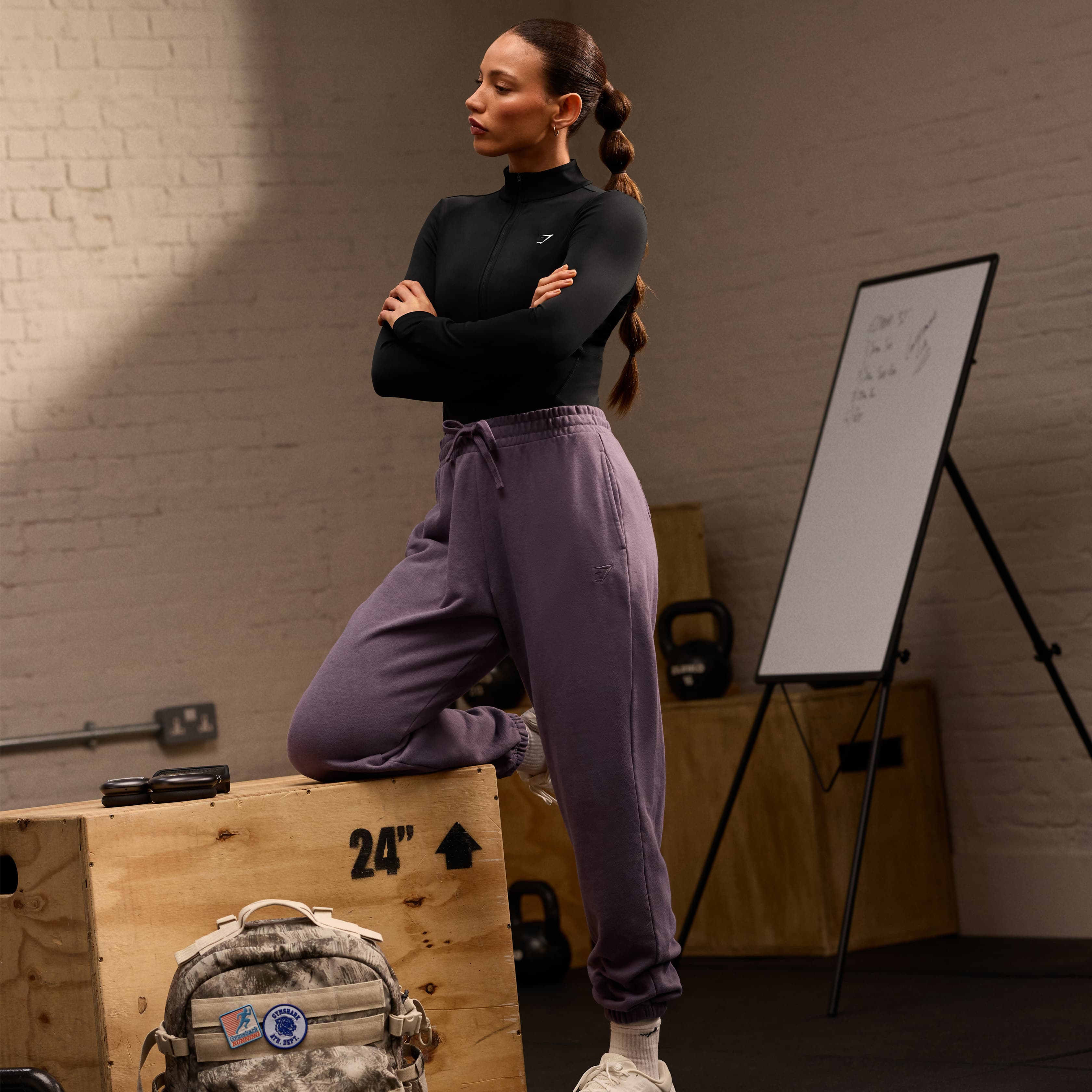
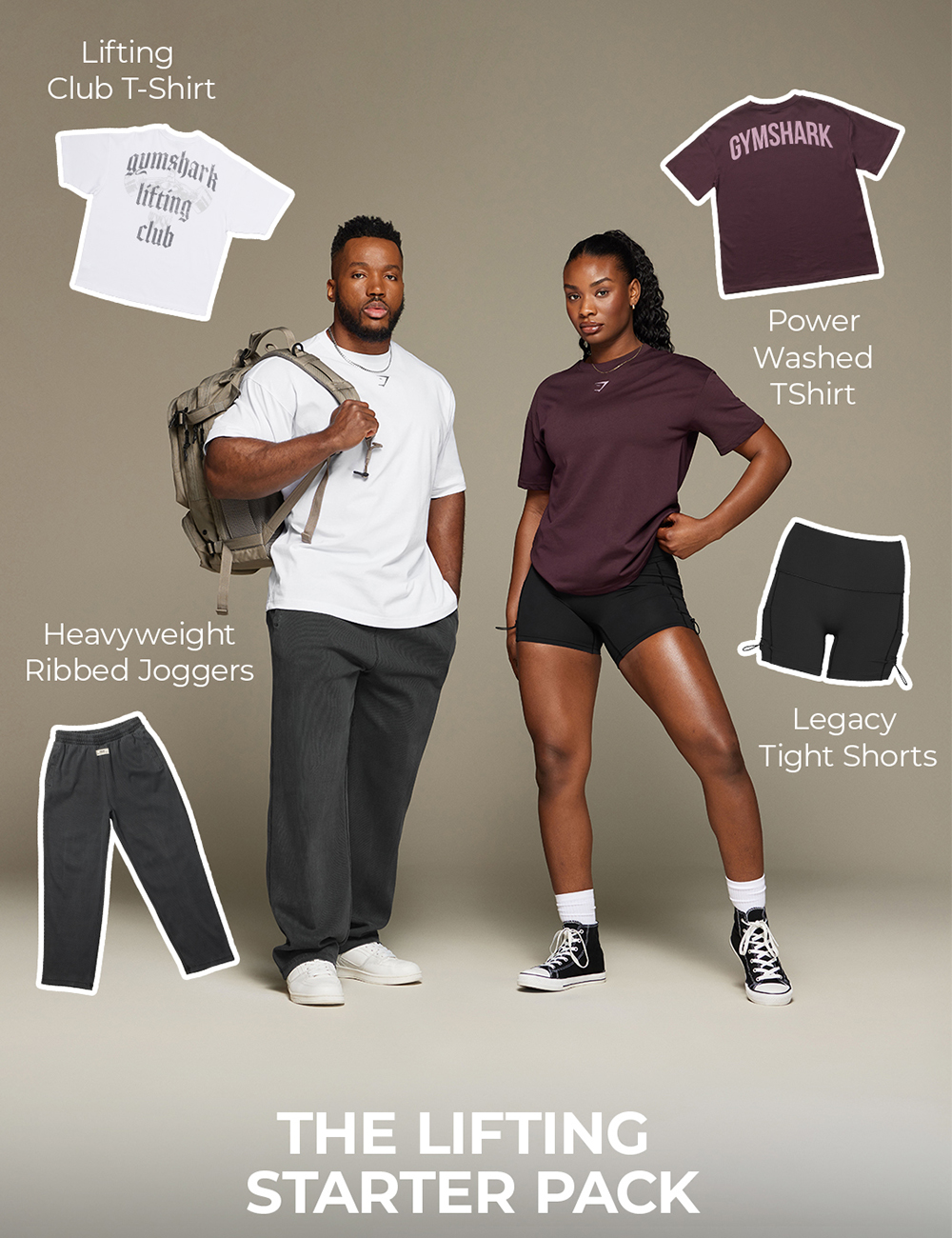
Another option you have to wear to the gym is joggers/sweatpants. Choose from breathable cotton numbers or performance fabrics for your warm-ups, cool-downs, or casual gym days. They’re great if you prefer a looser fit, modest workout options or are training in cooler environments.
Supportive Sports Bras
A supportive sports bra is a must-have in the gym, but finding the right one for you depends on many factors; like your cup size, workout intensity and preference.
Low-impact sports bras are best for yoga, pilates, or light stretching. They offer comfort and gentle support, often with a comfortable second-skin feel. Those with smaller bust sizes may find low-impact sports bras most comfortable and supportive enough for most workouts.
Medium-impact sports bras are great for strength training and general workouts. They offer the perfect balance between comfort and support making them a good everyday choice.
For running, HIIT, or any high-intensity movement, high-impact sports bras become essential. They’re designed to reduce movement and prevent discomfort during intense exercise and will offer the most support for those with larger cup sizes.
Other Things To Consider
Pick up an oversized hoodie or sweatshirt (pump covers) for warm-ups, cool-downs, and cozy gym vibes. The extra layer will come in especially handy for cold warehouse gyms or winter workouts.
Underwear choice may not have been something you’ve considered but soft, lightweight, and no-show underwear like seamless briefs are ideal for staying in place, providing comfort and not showing through your leggings.
Then when it comes to accessories, a cap is excellent for keeping sweat and hair out of your face. They’re a saviour for bad hair days, or enabling some privacy so you can zone in on your workouts.
For the hair, headbands offer protection, particularly for curly hair, as well as extra sweat control and a stylish touch. Perfect for keeping your hair in place for high-intensity training.
Socks are important too. Crew socks provide warmth and support, especially for lifting and cold-weather workouts. Performance and running socks feature cushioning, a lightweight design and added breathability to keep you comfortable and cool.
Finally, choose sport-specific shoes. Running trainers are the best for cardio, HIIT, or plyometrics (jumping exercises e.g. burpees, skaters, box jumps). They’re designed for shock absorption, stability and support. Flat-soled sneakers like Converse on the other hand are best for weightlifting to keep you grounded and stable. They keep your foot closer to the ground allowing for better force transfer, awareness of your positioning and reduced risk of rolling your foot.
Dressing For The Weather
Gyms generally maintain a stable temperature year-round, but you may still need to adjust your gym outfits based on the season. In colder months, warming up can take longer, so layering up is key. Meanwhile, in hotter months, your body temperature is already elevated, making lightweight, breathable clothing essential for staying cool. If you're unsure what to wear for different temperatures, we’ve got a few foolproof tips to help you stay comfortable, perform your best, and keep your workout wardrobe season-ready.


What To Wear To The Gym When It’s Hot
Breathable, sweat-wicking materials to keep you cool and dry.
Lighter colors to reflect heat if your gym has an outdoor workout zone.
Loose-fitting tank tops will provide more airflow.
Removable layers - workout in your sports bra if you feel comfortable.
What To Wear To The Gym When It’s Cold
Wear a pump cover to warm up in (heavyweight sweatshirt or hoodie).
Thicker leggings for extra warmth.
Fitted-zip jackets keep you covered and are easy to take off.
Moisture-wicking fabrics to wick away sweat before it cools down and makes you cold.
7 Gym Outfits For Every Day of the Week
Not sure how to mix and match your gym fits? Here’s an example of a week’s worth of training and seven simple gym outfits to keep you covered:
Leg Day: Squat-proof leggings or shorts, matching sports bra, fitted top, flat sneakers.
HIIT/Functional Training: Loose tank top, sweat-wicking shorts, cardio-friendly sneakers.
Upper Body Day: Fitted sweat-wicking top, shorts or leggings.
LISS & Abs:Oversized tee, comfy leggings, supportive sneakers.
Pilates:Soft, stretchy leggings, low-impact sports bra, barefoot or grip socks.
Run Day:Lightweight tank, 2-in-1 running shorts, high-impact sports bra, running shoes.
Yoga: Low-impact sports bra, relaxed-fit tee, lightweight stretchy leggings, and a soft headband.


FAQs
What should I wear to the gym for the first time?
Keep it simple, choose a pair of leggings or shorts with sweat-wicking fabrics and a dark colour for squat-proof coverage, a fitted or oversized tee depending on what you prefer, and comfortable trainers. A medium-support sports bra is a good all-rounder, but choose something with high support if you feel more comfortable.
How many gym outfits do I need?
How many gym outfits you need depends on how often you train. If your workout split sees you at the gym 3-4 times a week, aim for at least 3 outfits to rotate. For low-impact exercise or workouts such as yoga and mobility, you probably won’t sweat much so can get away with re-wearing your gym outfit before it needs a wash. For those of you working out more regularly, make sure you’re washing your workout clothes mid-week, or have a couple of additional gym outfits.
How do you choose the right sports bra for your workout?
High-impact sports bras should be worn for running or jumping (regardless of cup size), while medium-impact bras work well for weight training or steady-state cardio. Low-impact sports bras are suitable for yoga and Pilates, where comfort and flexibility are paramount.
If you have a large cup size, high-impact support is a game-changer for every workout. It reduces bounce and discomfort so you can focus on moving, not adjusting.
Need help finding the perfect fit? Check out our guide on the types of sports bras and how to choose the right support level for you.
Can you wear a normal T-shirt to the gym?
Absolutely. Just keep comfort in mind, and know the limitations. Breathable, sweat-wicking fabrics will keep you cool and dry, whereas cotton can hold on to a lot of moisture, making sweat marks harder to avoid.
Many beginners in the gym gravitate towards oversized tees for extra coverage and confidence. They’re a gym staple for everyone because they offer a relaxed fit, don’t cling to the body and pair effortlessly with leggings and shorts. Plus, they’ve become a streetwear-inspired gym trend for the style-conscious.
But if you prefer something more fitted, look for a lightweight, stretchy T-shirt that you already have in your closet!
Ready for the gym?
Finding the right gym outfit doesn’t have to be complicated, and it certainly shouldn’t be daunting. Prioritize comfort, support, and flexibility, and you’ll feel (and look) great in every session. It might take a while to figure out the specific styles and aesthetics you like, but with the basics covered, you’re ready for the gym - now go smash that workout!
From gym leggings to sports bras, running socks and workout accessories, you can shop it all with ease on the Gymshark App. Download below!