


















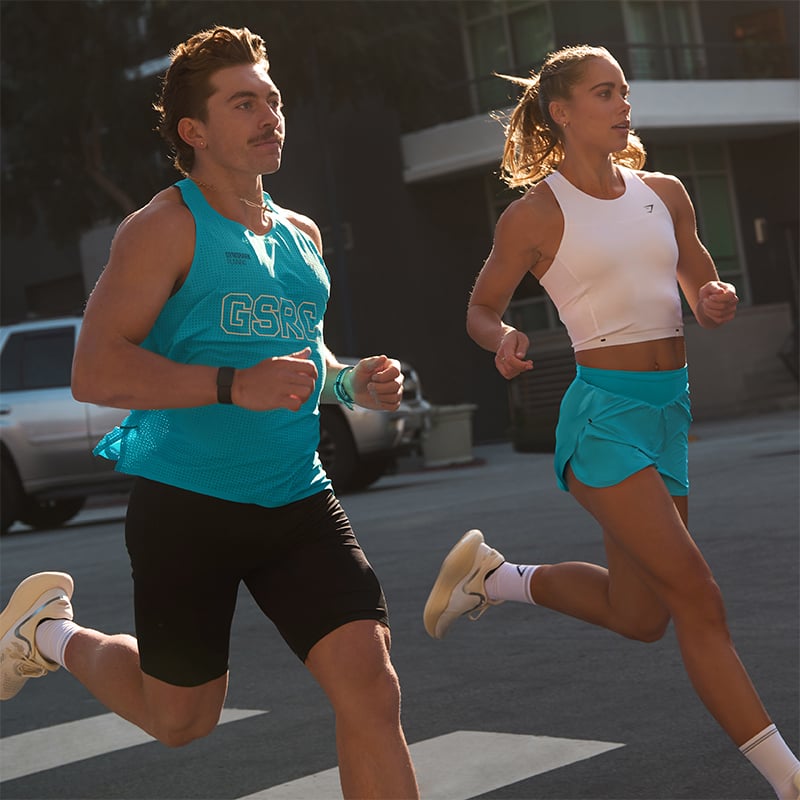
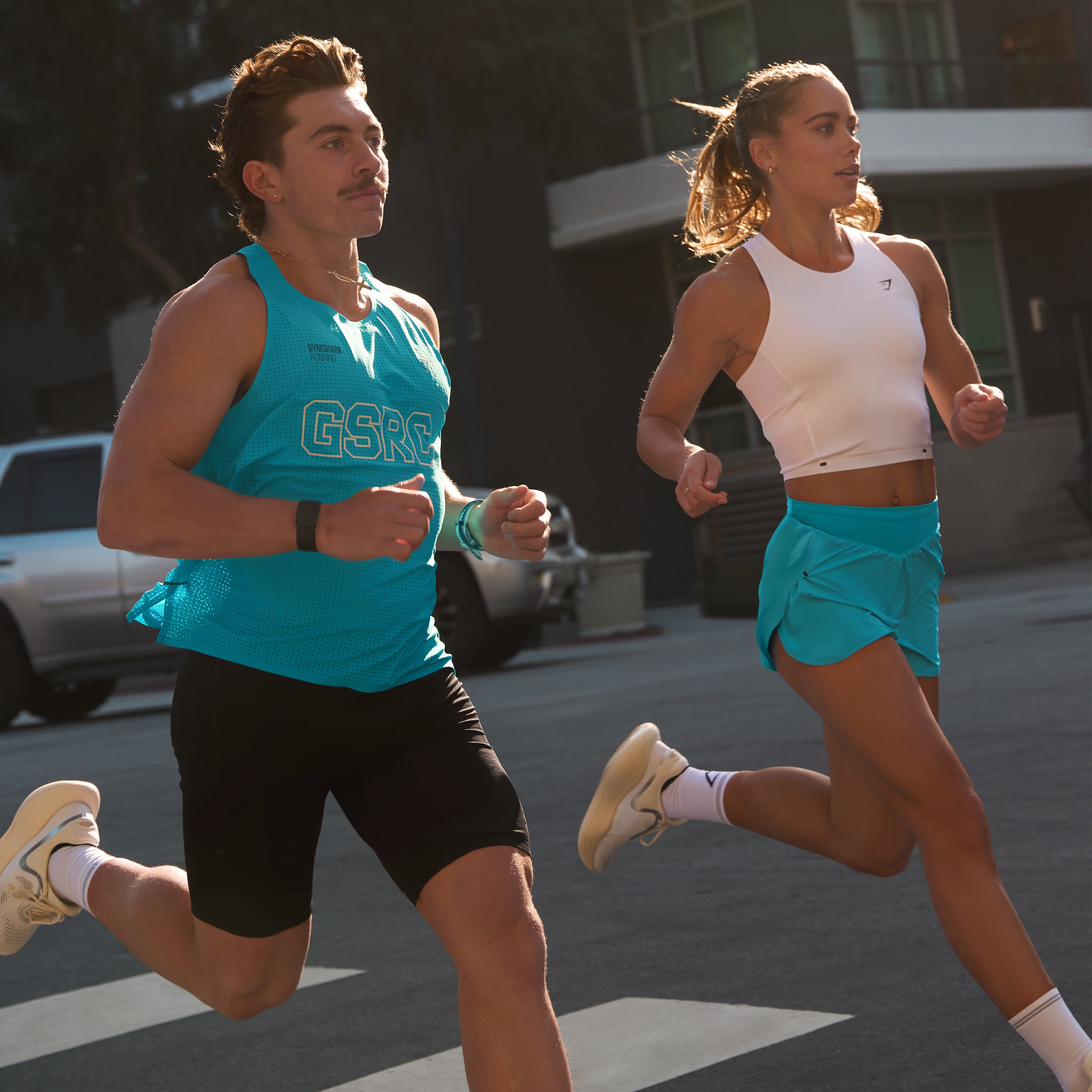
You’ve got 26.2 miles ahead of you; it’s not just your shoes that need to fit perfectly. What you wear on race day can be the difference between finishing strong and spending the second half of the marathon regretting your clothing choices. Small issues are amplified over long distances, and no one wants to finish the race with sore shoulders from tight straps, scratches from an irritating seam, or chafing from shorts that didn’t quite provide the right amount of protection.
When it comes to your marathon outfit, there’s no skipping corners. It requires just as much thought as your pacing strategy. Comfort matters, but so does dressing for the weather conditions you’re running in. Ideally, every piece of gear you plan to wear on race day should already have been tested during training, whether that’s on long runs, taper runs, or race simulations. There’s no space for new clothes on race day, and you'll want to to lock in on the weather checks.
Below, we’ll break down your marathon clothing checklist, how to choose the right race-day outfit, and what to wear for different weather conditions so you can focus on running, not your gear.
Marathon Clothing Checklist
Performance running top
Purpose: Sweat-wicking and friction-free to keep you comfortable over long distances.
Best conditions: Works in any temperature.Running shorts or leggings
Purpose: Allows full mobility and reduces restriction during long miles.
Best conditions: Shorts for hot weather, leggings for cold conditions.High-support sports bra or compression top
Purpose: Provides support and stability during repetitive impact.
Best conditions: Suitable for all weather.Layering piece or baselayer
Purpose: Helps regulate body temperature and protect against wind or rain.
Best conditions: Cool, windy, or wet conditions.Running socks
Purpose: Reduces friction and helps prevent blisters during long runs.
Best conditions: Technical running socks for all weather.Cap or visor
Purpose: Protects your face and eyes from sun exposure.
Best conditions: Hot or sunny conditions.Running vest or hydration pack
Purpose: Carries fuel, hydration, and essentials during long efforts.
Best conditions: Long training runs or race day if you prefer your own nutrition.Accessories (gloves, arm sleeves, sunglasses)
Purpose: Extra protection and comfort depending on the environment.
Best conditions: Used based on weather conditions.
How to Choose Marathon Clothes: 5 Core Rules
The best marathon clothing choices come down to a few key principles that help you stay cool, avoid irritation, and keep moving efficiently for 26.2 miles. Use these core rules to guide every piece of gear you choose. 🏃♀️
1. Base Your Outfit On The Weather
You can’t control the weather, but your clothing should adapt to it. Hot race? You're choosing your lightest fabrics, breathable tops, and packing your sunglasses and hydration vest. Cold and windy? Layer up with baselayers and a mid-layer that traps warmth without weighing you down. Rainy forecast? Waterproof or water-resistant outer layers are non-negotiable. If you’re braving winter runs, you might want to add running gloves and a hat to keep your extremities covered.
2. Fit & Comfort Over Style
Fashion points don’t help at mile 20. Avoid baggy or tight pieces that rub. Test every top, bottom, and sock in training, and if it chafes in practice, it’ll ruin race day. Prioritize moisture-wicking fabrics and seamless designs to minimise discomfort and distraction. And look for running-specific clothing as they’re designed with technical fabrics that save your skin from friction and overheating.
3. Test Before Race Day
Never try a new outfit on race day. Every marathon outfit should be mentally logged in long training runs for whether it causes friction, traps sweat, or limits movement. Specific design details might work for others but not you (e.g., loose running shorts), so make a note and adjust your marathon wardrobe well before the starting line.
4. Layer Smart
It’s not just a case of throwing on a hoodie to keep you warm; marathon layering requires strategy. Many runners strip layers at the start line and end up carrying them for 26 miles or saying goodbye to a really nice jacket. Choose removable pieces or clothing that can perform across temperatures or plan to discard them to a friend on the sidelines a few miles in after you’ve warmed up. Something like a lightweight, packable windbreaker is far better than cotton that soaks sweat and adds weight. Save the cozy sweatshirts for post-race.
5. Hydration & Essentials
Whether it’s a half-marathon or the full stint, chances are you’re not going to be running it without anything on you. You’ll want pockets to hold your gels, a hydration vest for long training runs (or even for race day), and small accessories like sunglasses or gloves to make the race manageable. Don’t compromise mobility for convenience, and make sure you’ve got the room to store the stuff you wish you had at mile 10.
Your Race Day Wardrobe by Weather
Hot & Sunny
Running a summer marathon or on an unexpectedly warm day? Be aware that heat changes the race, and there are some extra considerations to prevent overheating. Your heart rate climbs faster, and your sweat rate doubles in the heat, so the wrong fabrics will weigh you down by mile 8 if you’re not careful.
The goal is to stay cool, protect your skin, and avoid overheating. One too many layers can have you feeling ill under the heat, but too few can possibly expose you to heat stroke and sunburn, especially if you’re not used to training under the sun*.
Airflow should be the priority. Think technical fabrics that pull sweat away from your skin, not just sit there soaking you.
Here’s your list for a hot-weather marathon:
Lightweight tanks or very thin seamless t-shirts that don’t cling when soaked
Breathable shorts that won’t ride up once you start sweating
Lightweight, supportive sports bra that won’t irritate you at the band when salt builds up
Sweat-wicking cap or visor and UV-protective sunglasses
Minimal layers with zero bulk to reduce friction under the arms and between the thighs
*Heat-related issues are one of the most common issues at races, with various events accounting them for 20-30% of medical encounters.
Cool & Windy
This is the trickiest one. You feel cold standing still, then overdressed by mile 3. Wind strips heat fast, especially on open roads or bridges, and once your core temperature drops, it’s hard to claw it back. But most runners don’t make the mistake of not wearing enough; it’s usually panic-layering at the start line.
The key is to dress for how you’ll feel 20 minutes in, not while waiting in the corral. If your hands are slightly cold before the gun goes off, that’s okay at this temperature. Focus on insulation without creating any unnecessary bulk; you’re really just trying to protect from wind chill, not layer up for the long run.
Here’s your list for a cool, windy marathon:
Long sleeve technical top that blocks wind but still breathes
Lightweight baselayer if temperatures are genuinely low
Leggings or half tights, depending on personal preference and temp
Optional arm sleeves you can roll down as you warm up
Thin gloves if it’s below 8 to 10 degrees, especially for early starts
If you’re unsure, go slightly lighter than you think. You should never feel cozy before a marathon. You should feel ready to move.
Rainy or Unpredictable
Rain is an annoying condition to run in; your clothes get soggy, your vision gets blurred, and you might have to step more carefully to avoid slipping. Once clothing gets soaked, it gets heavy, rubs the skin more, and lowers your body temperature. The goal here is to have water resistance, not staying bone dry. You’re going to get wet. The question is whether your gear can handle it.
It’s worth investing in technical fabrics that still perform when wet. Cheaper fabrics don’t hold up well under moisture, and after a long run, that damp fabric can cause inner thigh chafing, or on the extreme side, bleeding nipples.
Here’s your list for a rainy marathon:
Water-resistant, lightweight jacket that won’t trap heat
Sweat-wicking top underneath, never cotton
Shorts or tights you’ve tested in the rain before
Lightweight cap to keep rain out of your eyes
Technical socks that won’t hold turn swampy once soaked
Test your wet-weather kit in training at least once. Rain exposes weaknesses in clothing quickly.
Winter Races
Cold race mornings can trick you into overdressing. The danger isn’t just feeling cold; it’s sweating too much early and then freezing later when pace drops or wind hits, and your sweat turns cold. Winter marathons require smart layering that starts with close-fitting gear that traps warmth without ballooning in the wind and ruining your aerodynamics.
Think thin layers that work together, not one thick piece doing all the work.
Here’s your winter marathon kit:
Fitted thermal baselayer to regulate heat
Long sleeve technical top over it (e.g 1/4 zip mid-layer)
Insulated or brushed leggings/running tights
Gloves and possibly a headband or beanie, depending on the temperature
Neck gaiter if the wind chill is significant
You should feel slightly underdressed at the start. Once your heart rate climbs, your clothing should feel just right.
Should I Wear The Same Clothes For Marathon Training?
Short answer: mostly yes, but not always.
Your marathon outfit shouldn’t appear for the first time on race morning. Every piece of clothing you plan to wear on race day should be tested during training. Long runs are where you find out if a waistband rubs, if socks slip, or if a top turns into sandpaper once it’s soaked with sweat. Those small irritations become huge after 30 kilometres.
That said, not every run requires your full race kit. Different training sessions place different demands on your body, and your clothing should match the job.
Long Runs: Dress Like It’s Race Day
Your weekly long run is the dress rehearsal. This is where you test your marathon outfit properly.
Wear the same shorts or leggings you’re planning to race in. Test the socks. Use the same sports bra, the same hydration vest, even the same hat if you plan to wear one. If something is going to chafe, bounce, or feel restrictive, a two-hour run will expose it.
Long runs are also where you practice carrying fuel. If your shorts or tights don’t have enough pockets for gels or the placement is off, you’ll find out quickly.
Easy Runs: Comfort and Rotation
Easy runs are where your everyday training gear comes in. You don’t need your exact marathon outfit here. In fact, rotating clothing helps prevent wear and tear on the pieces you’re saving for race day.
This is where comfort matters most. Soft fabrics, relaxed fits, and gear you barely notice once you start moving. Nothing should feel restrictive or distracting when the goal is simply getting miles in your legs.
Use these runs to rotate different tops, shorts, and socks so your race kit stays in good condition.
Tempo Runs and Intervals: Lightweight and Secure
Faster sessions change how clothing behaves because when your pace increases, loose-fitting gear starts bouncing, and heavy fabrics trap heat.
For workouts like tempo runs, track sessions, or hill repeats, a lot of runners prefer lighter and slightly more fitted gear. Compression shorts, tighter leggings, or streamlined tops help reduce movement and keep everything in place while you push the pace. Others actually prefer looser shorts for speed sessions for the most airflow and freedom of movement. These sessions are all about efficiency, so the less you’re adjusting your clothing mid-rep, the better.
Accessories & Race Day Essentials
Shoes are obvious, but accessories make or break the day. Hydration vests, running belts, gels, arm sleeves, and caps are all tools for storage and convenience. Even socks deserve attention, and the best for running are technical running socks designed with padding to reduce blisters, especially over 20 miles. Sunglasses and hats protect you, while gloves can be essential for early-morning or winter races. Treat every accessory as a performance decision, not an add-on.
Post-Race Clothes for Comfort & Recovery
Once the finish line is behind you, switch out sweaty clothing immediately. Recovery tops, soft leggings, and dry socks aren’t just comfortable; they also help prevent post-race chills and speed up muscle recovery. Add compression gear to support recovery and recovery slides for the ultimate foot cushioning.
Here’s your cozy post-race outfit:
FAQ
How do I prevent chafing during long runs?
Chafing usually comes from sweat and repeated friction over time. Wear seamless or flatlock running clothing made from moisture-wicking fabrics to reduce rubbing. If you’ve ever worn a top with a scratchy seam, you’ll know this feeling is a must-avoid. Applying anti-chafe balm to areas like the inner thighs, underarms, and sports bra line before long runs also helps. If something starts rubbing in training, change it early. It rarely improves over marathon distance.
What running accessories are worth it?
The best accessories solve practical problems, so yes, they’re worth it. Hydration vests or running belts help carry water and fuel on long runs, while pockets in shorts or tights keep gels accessible. Caps and sunglasses protect against sun exposure, and arm sleeves help regulate temperature in changing conditions. Always test accessories in training first to see if they’re necessary for you.
Is it ok to wear cotton for a marathon?
Just avoid cotton, full stop, when it comes to running. Cotton holds onto sweat, which makes clothing heavy and increases the risk of chafing. It also dries slowly, which can make you feel colder or overheated depending on conditions. Technical running fabrics wick moisture away from the skin and dry faster, making them a much better choice for marathon training and race day.
Is a running vest necessary for a marathon?
Not always. Many marathons provide regular aid stations with water and sports drinks. However, some runners prefer carrying their own hydration and fuel in a running vest so they can stick to their exact strategy. They’re also a go-to for many who don’t like zipping their phone away or storing it close to the body, where it might bounce and irritate.
Do I need to bring my own water for a marathon?
Most races provide water along the course, so many runners rely on aid stations. Carrying your own hydration can still be useful if you prefer specific electrolytes or want to drink more frequently. The best option depends on your race and what you practised and liked during training.